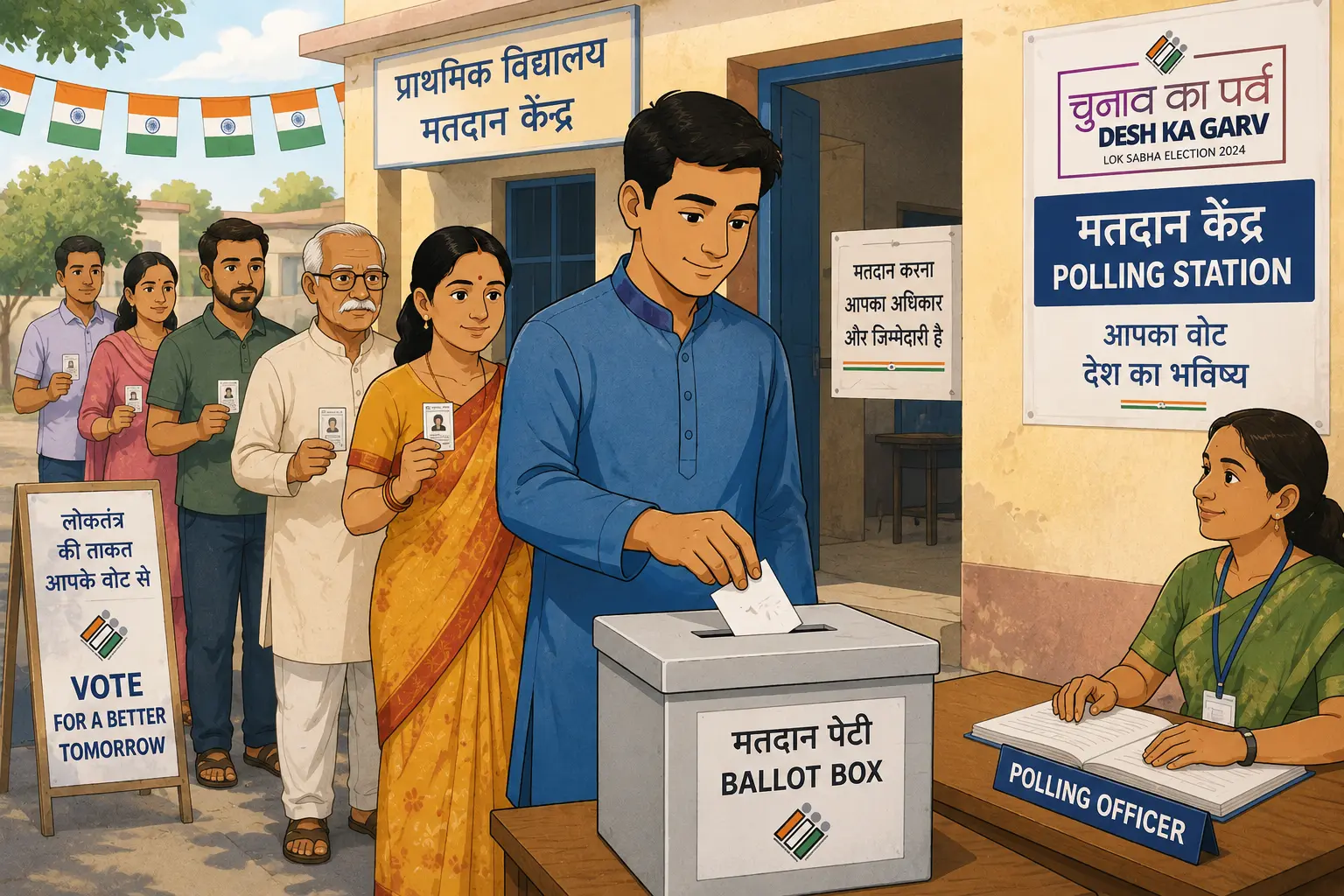
India is often called the world’s largest democracy, and rightly so. Elections of some form or another take place almost every year, whether municipal, state, or national.
At the heart of every election lies one central question: Who will come to power? And ultimately, the answer depends on political leaders and parties who are able to pull the masses in their favor.
But if we step back and observe the voting population broadly, Indian democracy appears to have three distinct categories of voters.
1. The Blind Supporters
The first category consists of what can be called Blind Supporters.
These voters remain aligned with a political party regardless of the moral standing, actions, or decisions of that party or its leaders. Their loyalty may stem from:
- Ideological inclination
- Financial benefit
- Direct or indirect relationships
- Social or community-based alignment
This group supports its preferred party almost unconditionally. Even when mistakes or controversies arise, they continue defending the leadership and often participate in promoting narratives favorable to their political side.
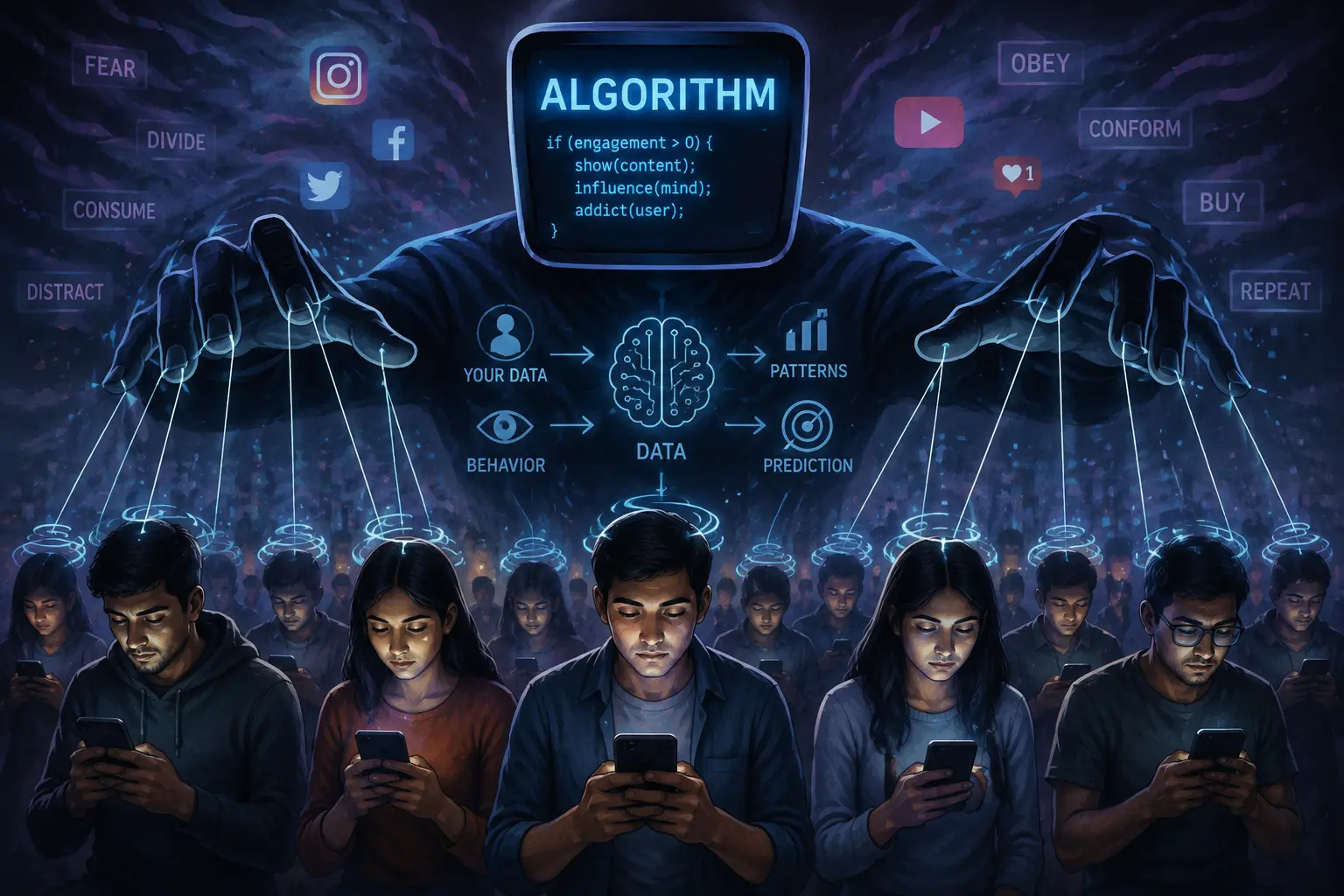
Many within this category become highly active online, running campaigns, shaping narratives, and amplifying propaganda, sometimes voluntarily and sometimes through organized ecosystems.
However, despite their loud presence, this group is usually limited in size. Their social media traction can create a false sense of overwhelming popularity or inevitable victory, but on the ground, they often represent what may be called a vocal minority rather than an election-winning force on their own.
2. The Blind Opposers
The second category is the Blind Opposers.
Just as Blind Supporters defend a party unconditionally, Blind Opposers reject a political party with similar intensity, whether that party is in power or outside it.
Their opposition may or may not be rooted in logic or policy disagreement. In many cases, such sentiments are shaped by:
- Social media narratives
- Traditional media ecosystems
- Political propaganda
- Foreign influence campaigns
- Opposition-driven messaging designed to weaken rival support bases
This group can sometimes hold electoral significance when voting occurs collectively along religious, caste-based, or cult-like lines, particularly in districts where demographic concentration provides leverage.
Like Blind Supporters, this category also includes highly vocal online commentators and self-proclaimed intellectual circles who dominate digital discussions but often remain disconnected from ground realities and actual voting behavior.
While loud online, many in this group may hold limited practical leverage in influencing elections beyond specific local demographic advantages.
3. The Silent Majority
The third and arguably the most significant category is the Silent Majority.
This group consists largely of the common man and working class, people who generally stay away from online political battles and ideological shouting matches.
Unlike the previous two groups, the Silent Majority is not permanently loyal to a political party or leader. Their voting behavior is usually influenced by:
- Personal conscience
- Issues affecting daily life
- Development and governance
- Hope and aspiration
- The broader picture for the country or state
While this group may vote for a particular party on one hand, it does not shy away from questioning the same elected government when the need arises. Their support is often conditional and performance-driven rather than ideological or permanent.
Because this category is not organized like ideological voter blocs, political parties often attempt to divide it into smaller segments to reduce its collective influence.
Yet, despite lacking organized structures, this group remains the largest and most decisive voting force in Indian democracy.
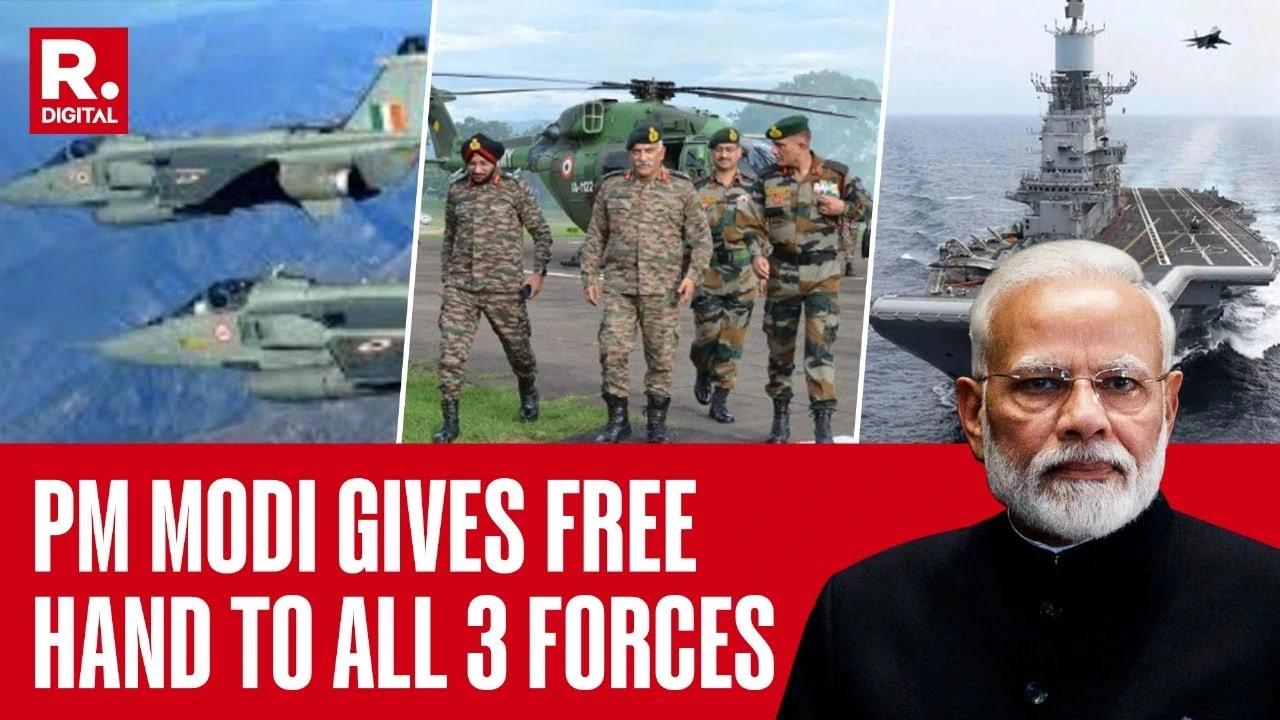
In today’s political context, the repeated electoral success of Narendra Modi and the Bharatiya Janata Party is the support of this Silent Majority, a voter base that, according to this perspective, votes in relative unison based more on perceived governance and leadership than strict ideological affiliation.
Final Thoughts
Indian democracy is complex and cannot be reduced to simple binaries of right versus left or supporter versus opponent.
While Blind Supporters and Blind Opposers dominate headlines and social media trends, elections are often decided by a far less visible force, the Silent Majority.
This silent group neither shouts the loudest nor trends the most online, yet its choices frequently shape the direction of governments and political history.
Understanding these three voter categories may not explain every election result, but it certainly offers an interesting lens through which to observe Indian politics and democratic behavior.